in the shoes of
US /ɪn ðə ˈʃuz ʌv/
・UK /in ðə ˈʃu:z ɔv/
B2
idm.Considering someone else's situation or feelings.
Try to imagine yourself in the shoes of the victim.
Video subtitles
These are the AI to Worry About

- Just put yourself in the shoes of a business owner.
Just put yourself in the shoes of a business owner.
- Just put yourself in the shoes of a business owner.
Just put yourself in the shoes of a business owner.
3 Investing Lies That Are Costing You Money
- Or if you don't, put yourselves in the shoes of someone that invested at this point.
Or if you don't, put yourselves in the shoes of someone that invested at this point.
- Or if you don't, put yourselves in the shoes of someone that invested at this point.
Or if you don't, put yourselves in the shoes of someone that invested at this point.
UK Economy Is Collapsing, And Its Far Worse Than You Expect

- So now let's imagine, put yourself in the shoes of the British government.
So now let's imagine, put yourself in the shoes of the British government.
- So now let's imagine put yourself in the shoes of the British government.
So now let's imagine put yourself in the shoes of the British government.
US & Israel have separate agendas for Iran war | Fareed's Take

- Put yourself in the shoes of the Iranian regime.
Put yourself in the shoes of the Iranian regime.
- Why put yourself in the shoes of the Iranian regime?
Why put yourself in the shoes of the Iranian regime?
Animation Motivation: Thread the Needle

- So I think being an animator is about stepping in the shoes of somebody else and really trying to empathize with how they might feel in that moment.
So I think being an animator is about stepping in the shoes of somebody else and really trying to empathize with how they might feel in that moment.
- So I think being an animator is about stepping in the shoes of somebody else and really trying to empathize with how they might feel in that moment.
So I think being an animator is about stepping in the shoes of somebody else and really trying to empathize with how they might feel in that moment.
Why All Millionaires Are Preparing for a Stagflation

- Now put yourself in the shoes of the US government and you have basically ability to create money.
Now put yourself in the shoes of the US government and you have basically ability to create money.
- Now put yourself in the shoes of the US Government and you have basically ability to create money.
Now put yourself in the shoes of the US Government and you have basically ability to create money.
The Painter Who Revolutionized Landscapes

- You're encouraged to put yourself in the shoes of this person, gazing across the misty mountaintops into the infinite Sublime.
You're encouraged to put yourself in the shoes of this person, gazing across the misty mountaintops into the infinite Sublime.
- You're encouraged to put yourself in the shoes of this person, gazing across the misty mountaintops into the infinite sublime.
You're encouraged to put yourself in the shoes of this person, gazing across the misty mountaintops into the infinite sublime.
WARNING: Something is going deeply wrong in Housing Market
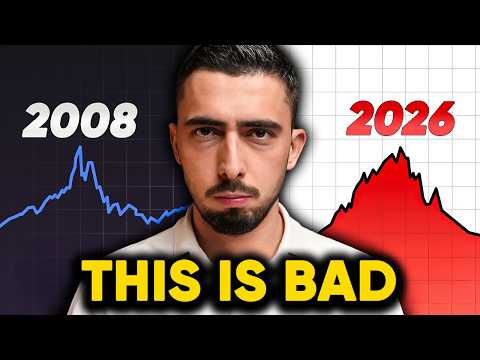
- And now, put yourself in the shoes of an investor.
And now, put yourself in the shoes of an investor.
- And now put yourself in the shoes of an investor.
And now put yourself in the shoes of an investor.
How Ian McKellen Acts With His Eyes

- But acting, I think, is more than just putting yourself in the shoes of the character.
But acting, I think, is more than just putting yourself in the shoes of the character.
- But acting, I think, is more than just putting yourself in the shoes of the character.
But acting, I think, is more than just putting yourself in the shoes of the character.
No Kings Rallies Can’t Stop CPAC's Trump Glazing & Iran War Hits One Month | The Daily Show

- It asks the president to put himself in the shoes of those purportedly we're trying to liberate and the suffering they may be going through.
It asks the president to put himself in the shoes of those purportedly we're trying to liberate and the suffering they may be going through.
- It asks the president to put himself in the shoes of those purportedly we're trying to liberate and the suffering they may be going through.
It asks the president to put himself in the shoes of those purportedly we're trying to liberate and the suffering they may be going through.